

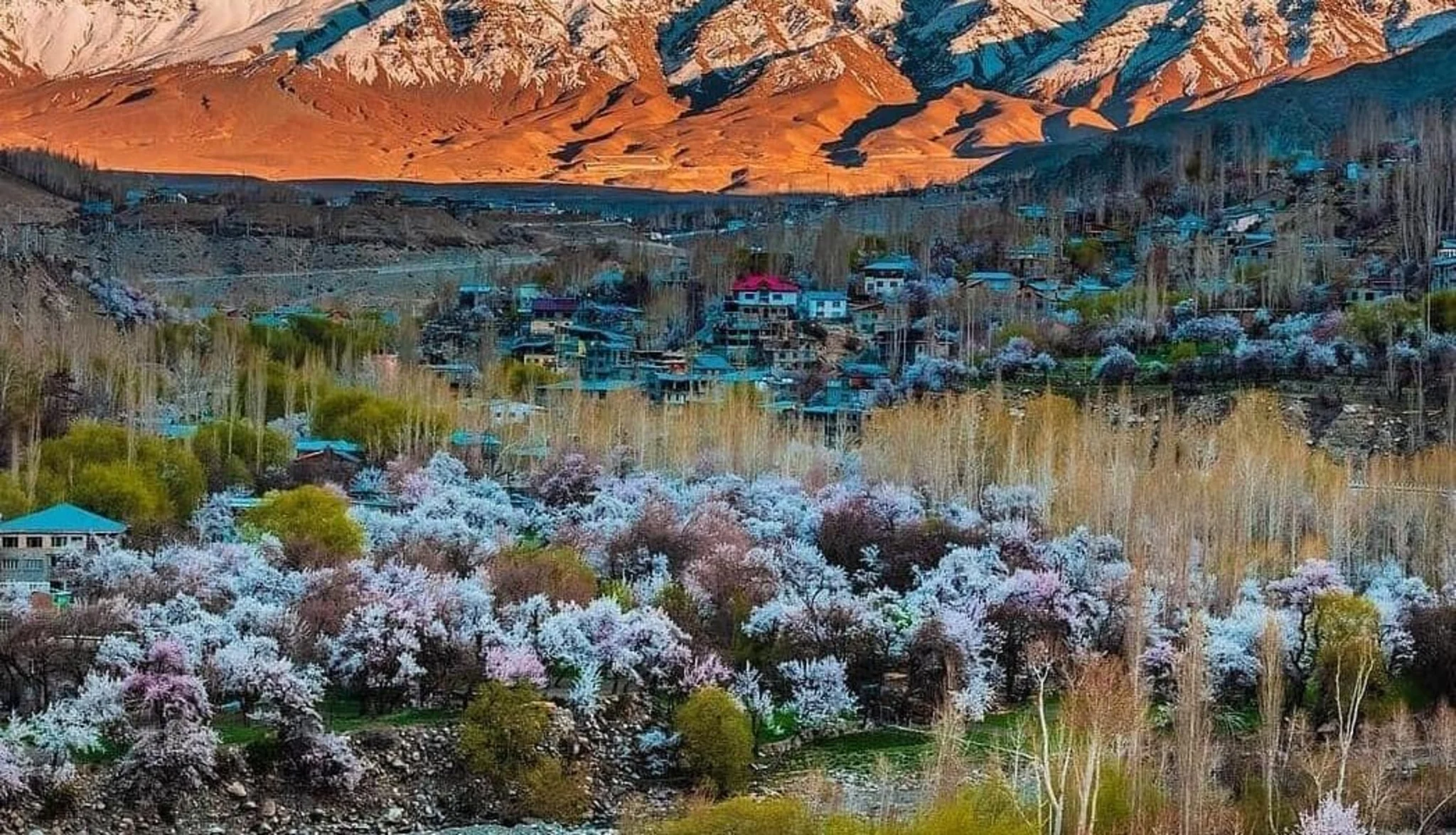
Ladakh vs. Spiti: Which Road Trip is More Thrilling?
A thrilling road trip through the mighty Himalayas is every traveler's dream. Two of the most exciting high-altitude road trip destinations in India are Ladakh and Spiti Valley. Both offer unparalleled landscapes, thrilling adventures, and unique cultural experiences. But which one is more thrilling?
This blog breaks down key aspects of both Ladakh and Spiti—from accessibility and terrain to cultural heritage and adventure activities—helping you decide which trip suits your travel style.
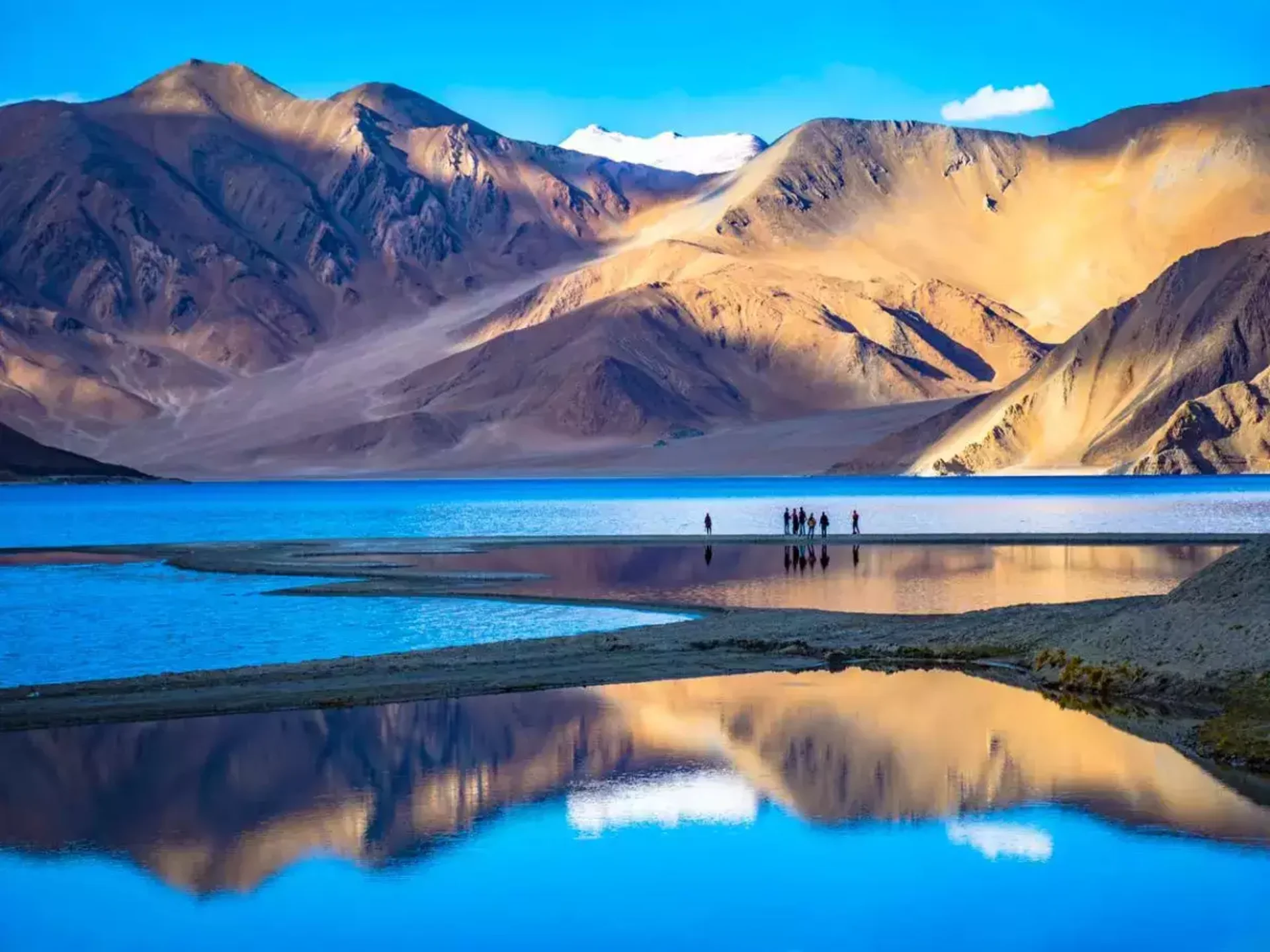
Ladakh was primarily known among backpackers, bikers, and adventure seekers. It was a remote and rugged destination, mostly explored by foreign travelers and trekking enthusiasts. The famous Leh-Manali and Leh-Srinagar highways were popular among motorcycle riders, but overall tourism was limited. Attractions like Pangong Lake, Nubra Valley, and Magnetic Hill were known but not widely visited.
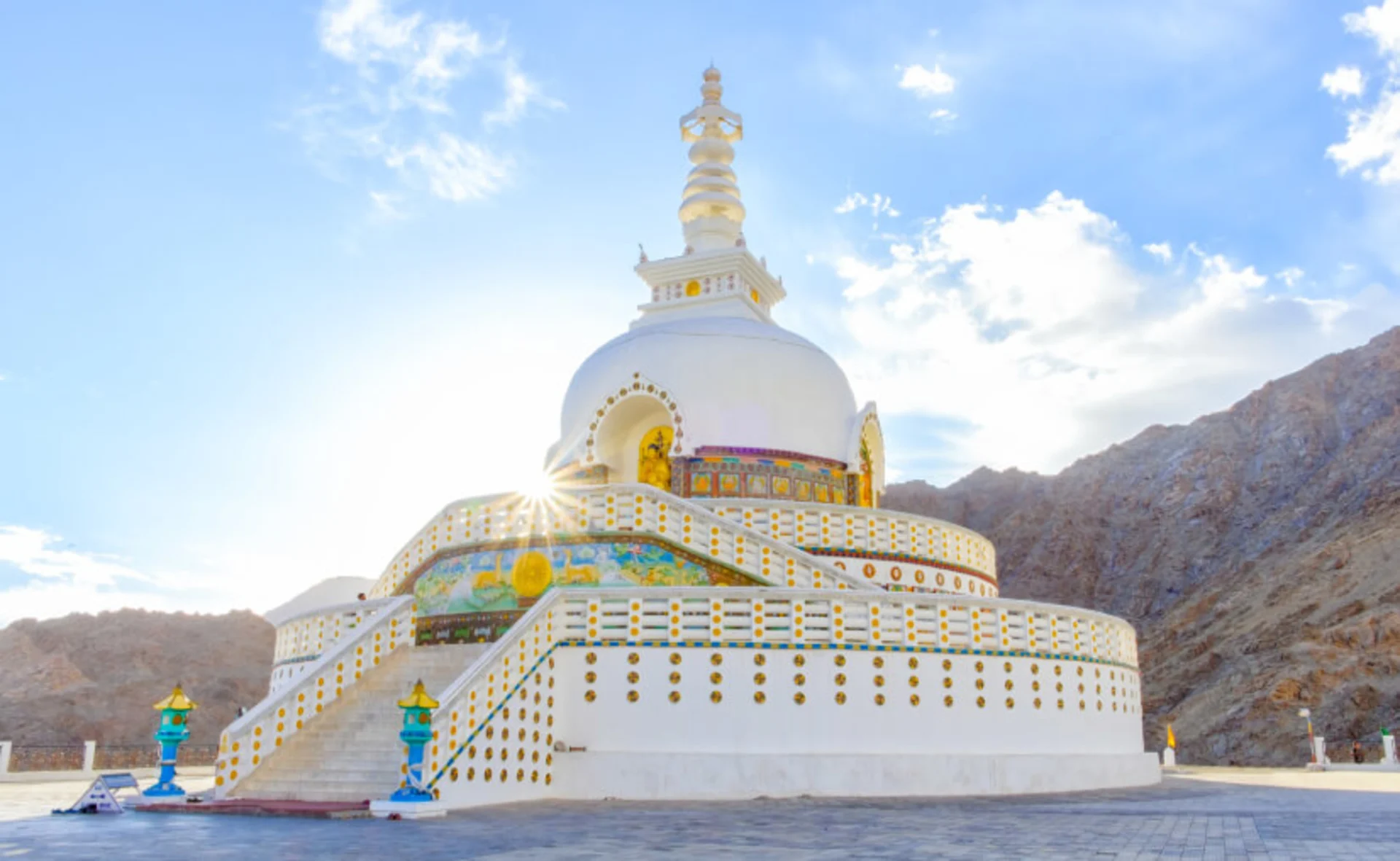
After the 3-idiot movie, especially when the Pangong lake were showed in the climax scene Ladakh bike tour packages became a must visit destination for travel. Tourism skyrocketed, with family travelers, honeymooners, and casual tourists adding Ladakh to their bucket lists. Ladakh became commercialized, with an increase in taxis, guided tours, and luxury accommodations. While it brought economic benefits, mass tourism also raised concerns about environmental degradation and waste management issues in Pangong Lake and Leh.
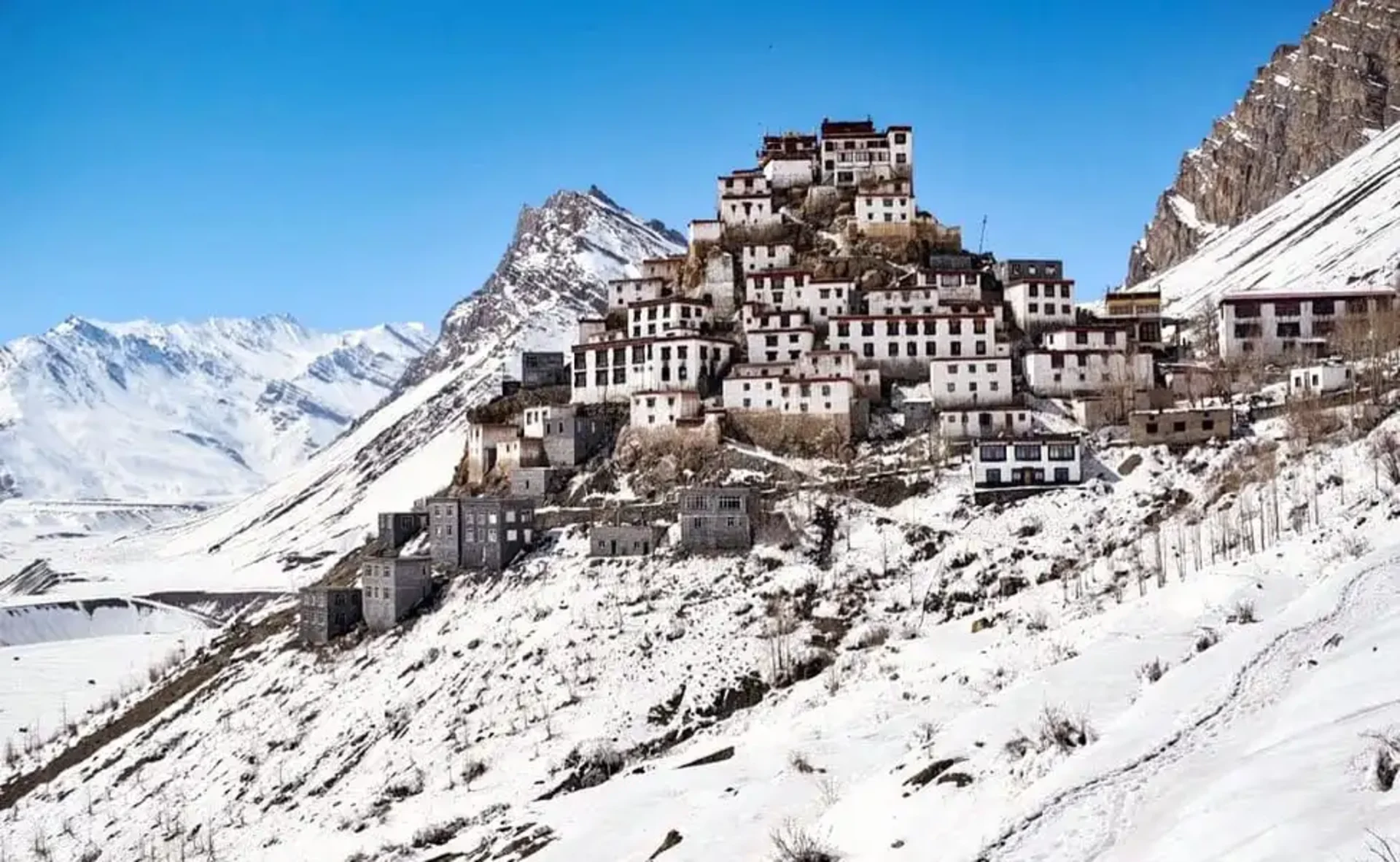
Spiti has always been more remote and lesser-known than Ladakh. Earlier Only a handful of bikers, trekkers, and spiritual seekers visited the region. Villages like Langza, Hikkim, and Komic remained untouched by mainstream tourism.
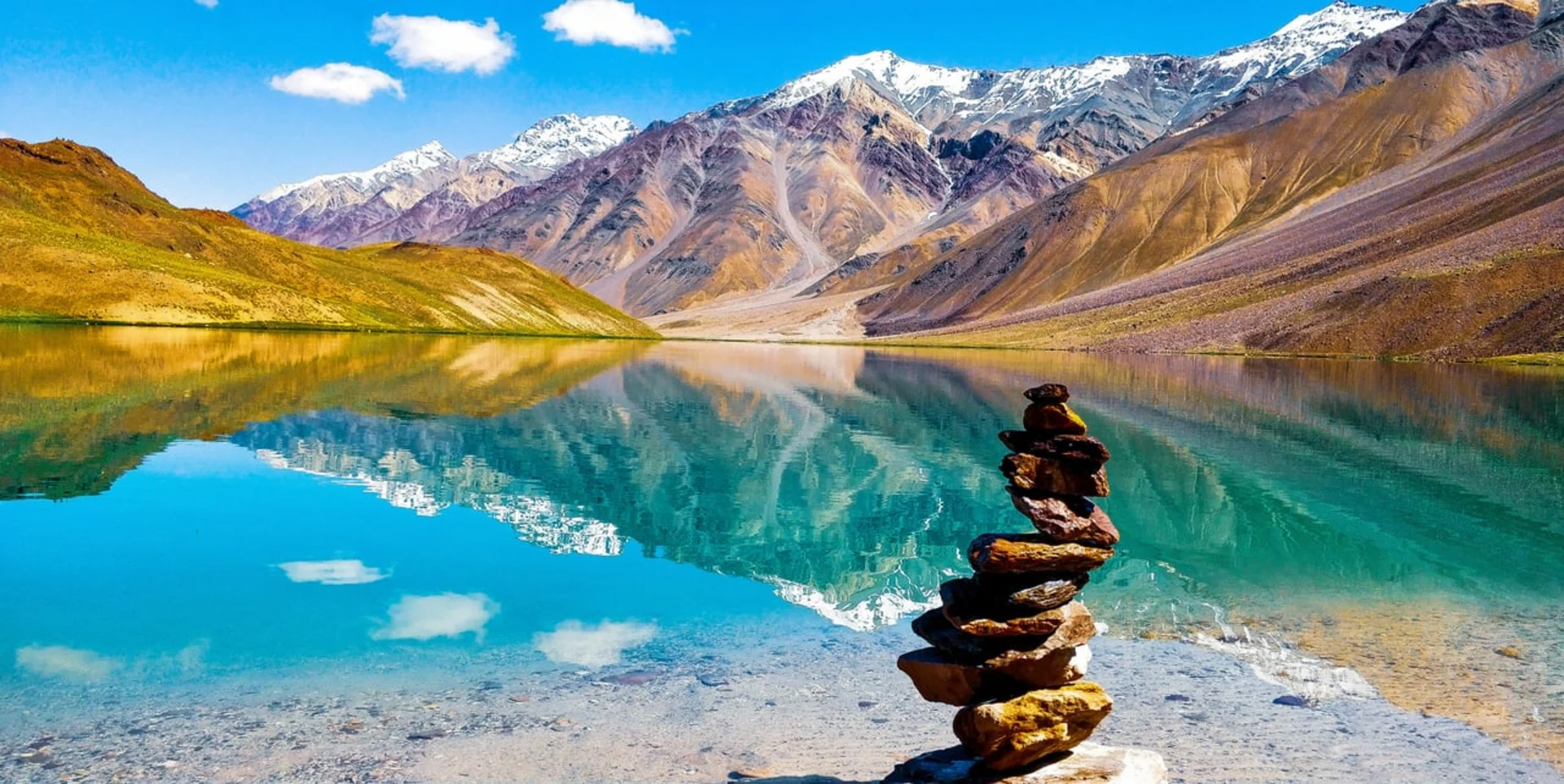
As Ladakh became overcrowded, adventure seekers started exploring Spiti as a quieter alternative. Spiti tour packages remained less commercialized than Ladakh but saw a rise in budget homestays, cafes, and eco-tourism initiatives. The region gained traction for sustainable tourism, attracting responsible travelers. Despite the increased interest, Spiti still retains its raw, untouched charm, making it an ideal destination for offbeat explorers.
Both Ladakh and Spiti have evolved over time, but while Ladakh became a commercial travel hotspot, Spiti remains a hidden gem for true adventure lovers.
Accessibility and Best Travel Time
Ladakh: A Long Yet Rewarding Journey
- Accessible via two main highways: Leh-Manali Highway (via Himachal) and Leh-Srinagar Highway (via Kashmir).
- The best time to visit is June to September when roads are open and the weather is pleasant.
- Requires 12-15 days to explore key destinations comfortably.
Spiti Valley: A Year-Round Adventure
- Two entry points: Shimla-Kaza route (open almost year-round) and Manali-Kaza route (open June to October).
- Ideal for a 7-9 day trip, making it a better option for those with limited time.
- Winter travel is possible via the Shimla route, making Spiti a rare year-round destination.
Road Conditions & Terrain: Which is Tougher?
Ladakh: High Passes and Rugged Roads
- Home to some of the highest motorable roads in the world, including Khardung La (5,359 m) and Chang La (5,360 m).
- The journey includes long stretches of barren landscapes, steep inclines, and unpredictable road conditions.
- Proper acclimatization is essential due to high altitudes.
Spiti Valley: Narrow, Rough, and Rocky
- The roads from Manali to Kaza are considered some of the roughest in India, with water crossings, landslides, and no proper tarmac.
- The Shimla-Kaza route is relatively easier but still demands skilled driving.
- The valley’s relatively consistent altitude (3,800 m) makes acclimatization slightly easier than in Ladakh.
Natural Beauty & Landscapes: Stark Contrasts
Ladakh: High-Altitude Deserts & Colorful Lakes
- Stunning blue Pangong Lake and Tso Moriri Lake.
- The confluence of Indus and Zanskar Rivers.
- Snow-capped peaks, cold deserts, and dramatic valleys like Nubra Valley.
Spiti Valley: Raw, Rugged, and Mars-Like
- Stark landscapes with brown, rocky mountains and deep gorges.
- High-altitude lakes like Chandratal (Moon Lake).
- Unique villages like Langza, Hikkim, and Komic, known for fossils, monasteries, and the world’s highest post office.
Cultural Experience: Monasteries & Traditions
Ladakh: A Blend of Tradition and Tourism
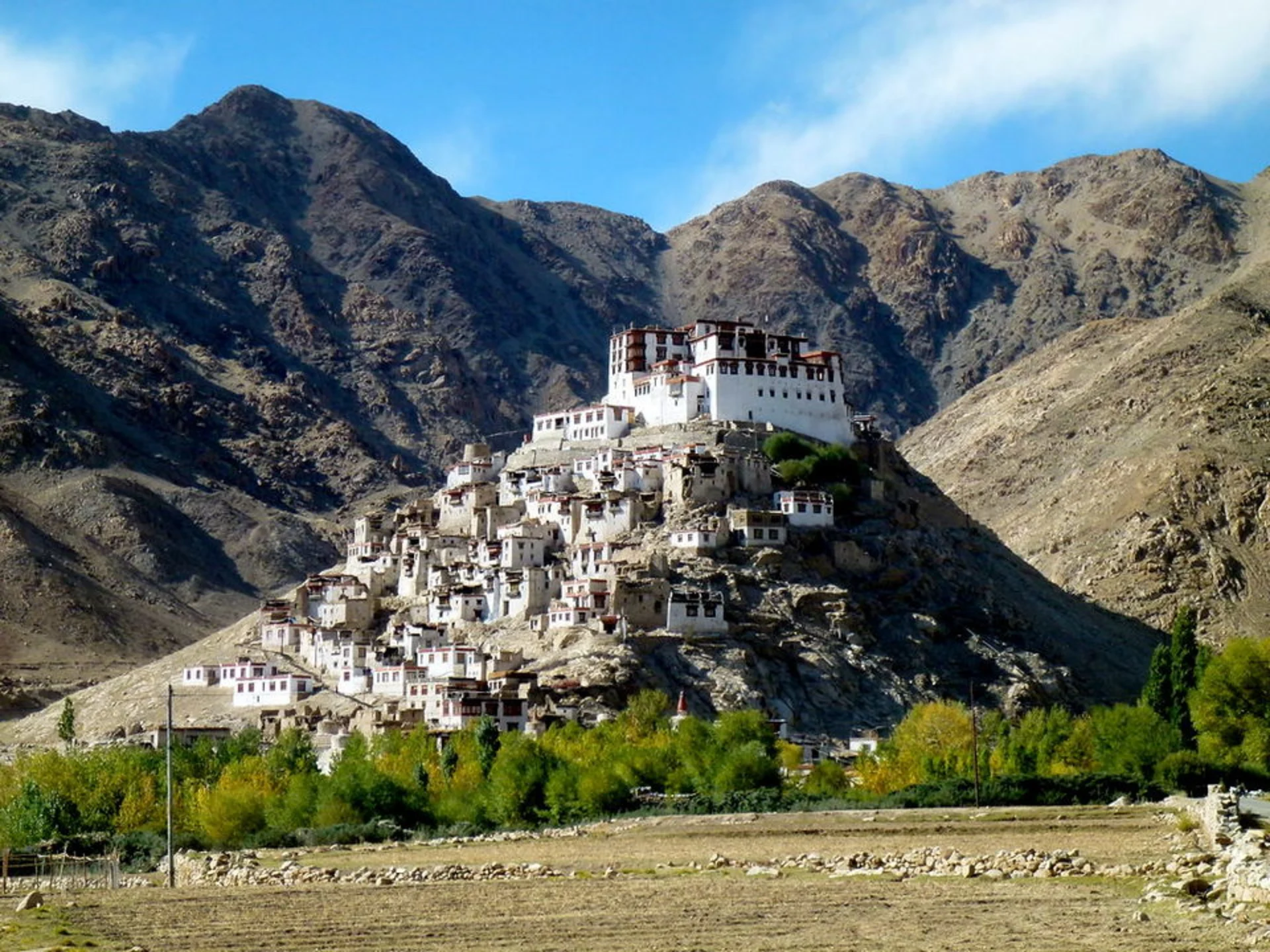
- Ladakh has a mix of modern tourist amenities and traditional culture.
- Ancient monasteries like Hemis, Thiksey, and Diskit offer a deep spiritual experience.
- The region celebrates vibrant festivals like Hemis Festival and Ladakh Festival.
Spiti Valley: A Remote and Authentic Cultural Hub
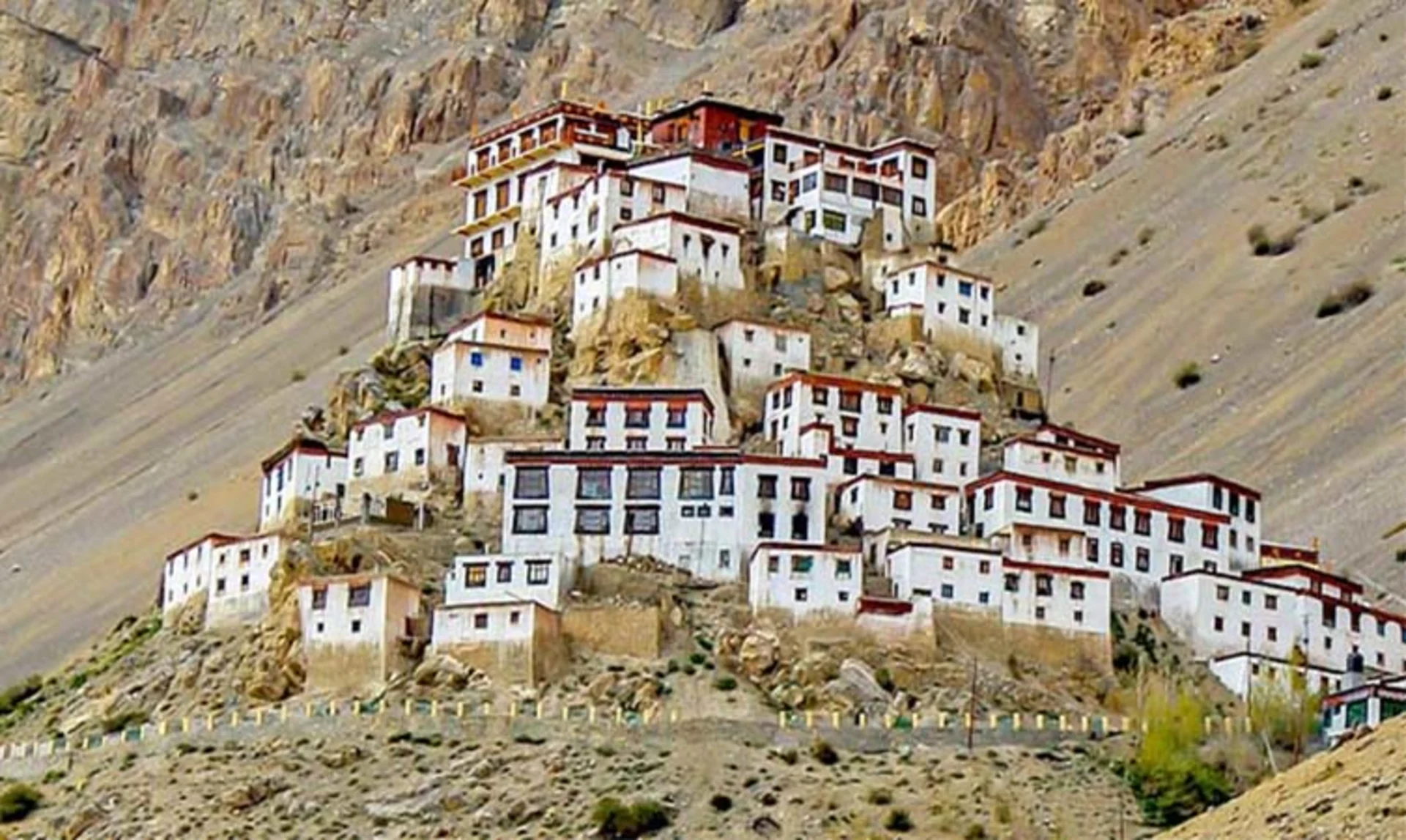
- More secluded and untouched by commercialization.
- Monasteries like Key, Tabo, and Dhankar are spiritual centers that are over 1,000 years old.
- The local Tibetan-Buddhist culture remains pure due to limited tourism.
Adventure Activities: Thrill-Seeker’s Paradise
Ladakh: A Playground for Adventure Lovers
- Trekking: Famous treks include Chadar Trek (frozen river) and Markha Valley Trek.
- Mountain Biking: Ride through Khardung La, one of the highest motorable passes in the world.
- River Rafting: Experience thrilling white-water rafting in Zanskar River.
- Camel Safari: Ride the double-humped Bactrian camels in Nubra Valley.
Spiti Valley: An Explorer’s Dream
- Trekking: Popular trails include Pin Parvati Pass and Kanamo Peak Trek.
- Fossil Hunting: Langza village is a hotspot for marine fossils dating back millions of years.
- Off-Road Biking: Ride on some of the most challenging off-road tracks in Manali to Kaza.
- Camping: Enjoy stargazing at Chandratal Lake, one of the best night-sky viewing spots in India.
Best Places to Visit: Must-See Attractions
Ladakh’s Top Attractions
- Leh City – The cultural heart of Ladakh.
- Pangong Lake – The famous blue lake shared with Tibet.
- Nubra Valley – Desert landscapes with double-humped camels.
- Magnetic Hill – A gravity-defying illusion.
- Tso Moriri – A secluded lake with stunning reflections.
Spiti Valley’s Top Attractions
- Key Monastery – A 1,000-year-old monastery overlooking the Spiti River.
- Chandratal Lake – The mesmerizing Moon Lake.
- Hikkim – Home to the world’s highest post office.
- Dhankar Monastery – Perched on a cliff, offering panoramic views.
- Gue Village – Houses a 500-year-old naturally preserved mummy.
Budget & Accommodation: Where to Stay?
Ladakh: A Mix of Luxury & Budget Stay
- Offers a wide range of accommodations, from luxury hotels in Leh to budget guesthouses.
- Homestays are available in remote villages like Turtuk and Hanle.
- Camping options at Pangong and Tso Moriri lakes.
Spiti Valley: Remote Yet Cozy
- Primarily homestays and guesthouses run by locals.
- No luxury hotels, but comfortable stays available in Kaza, Tabo, and Langza.
- Basic camping options at Chandratal Lake.
Travel Costs: Which is More Budget-Friendly?
Ladakh:
- Higher travel costs due to long distances and fuel prices.
- Permits required for Nubra, Pangong, and Hanle.
- More expensive accommodations in Leh.
Spiti Valley:
- More budget-friendly than Ladakh.
- No permits needed for most areas (except for foreign nationals).
- Lower accommodation and food costs.
Conclusion
Both Ladakh and Spiti Valley present unparalleled road trip experiences, each with its unique charm and challenges. If you have ample time and seek a journey through varied altitudes with a mix of bustling towns and serene landscapes, Ladakh might be your ideal choice. Conversely, if you're inclined towards a shorter trip with a desire for solitude amidst stark, untouched terrains, Spiti Valley stands out as a compelling option. Ultimately, both destinations promise an adventure of a lifetime, leaving travelers with memories etched against the backdrop of the majestic Himalayas.
Related Blogs

10 Underrated Travel Destinations in India Without the Crowds
Escape the crowds and discover India’s best-kept secrets! This blog uncovers 10 underrated travel destinations where tranquility, culture, and natural beauty come together. Perfect for peaceful getaways, scenic adventures, and authentic local experiences.

Top High-Altitude Destinations for Monsoon Lovers
Discover 10 breathtaking high-altitude destinations in India that come alive during the monsoon. From misty valleys to rain-kissed mountains, this guide is perfect for monsoon lovers seeking scenic escapes, peaceful treks, and offbeat getaways.

12 Scenic Spiritual Places in India to Visit in 2025
Explore 12 breathtaking spiritual destinations in India that offer divine vibes and stunning views. Perfect for a soulful yet scenic escape in 2025.
